Meallmore
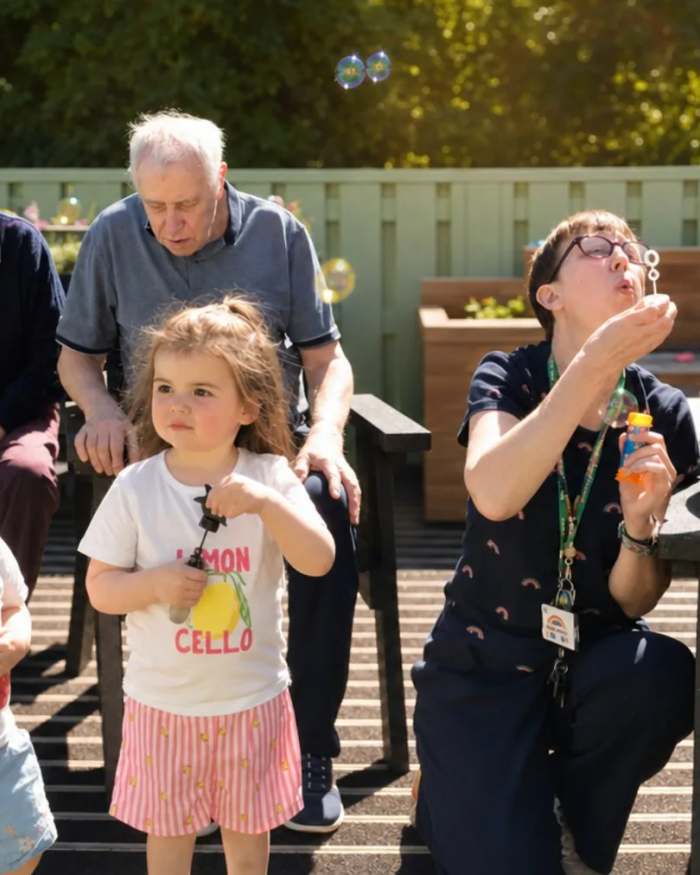
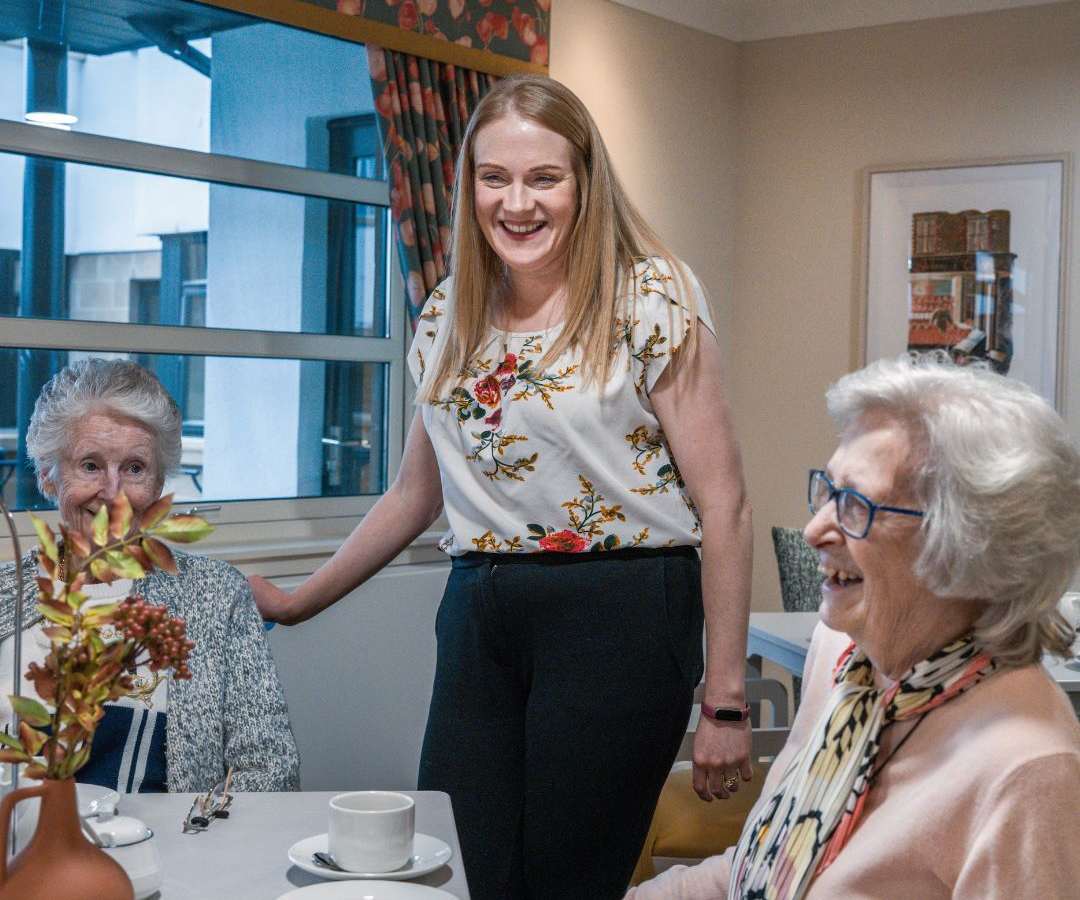
Residents and colleagues enjoying time together at a Meallmore care home

Everyday life in our care homes

Life atMeallmore

Everyday life, shaped around you.

Life in a care home should still feel like your life.

Across Meallmore, residents are supported to make choices, continue familiar routines, enjoy meaningful activities, share good food and stay connected to the people and communities that matter to them.

There is no single version of a good day. What matters is that every resident feels known, respected and able to spend their time in a way that feels right for them.

Genuinely at home

A meaningful life is made up of everyday moments.

There is no single way to live well at Meallmore.

Some residents enjoy busy, sociable days filled with conversation and shared activities. Others prefer a quieter morning, a familiar hobby, time outdoors or a one-to-one conversation with someone they trust.

Our role is not to fill every hour or expect everyone to follow the same routine. It is to understand the individual and help each day feel comfortable, purposeful and genuinely their own.

Life at Meallmore is shaped by person-centred care, good relationships, thoughtful support and the small details that help someone feel at home.

Care built around the individual

Residents' routines, preferences and relationships help shape everyday care and support.

Food, activity and wellbeing

Daily life brings together meaningful activity, enjoyable dining, comfort and personal choice.

Homes connected to their communities

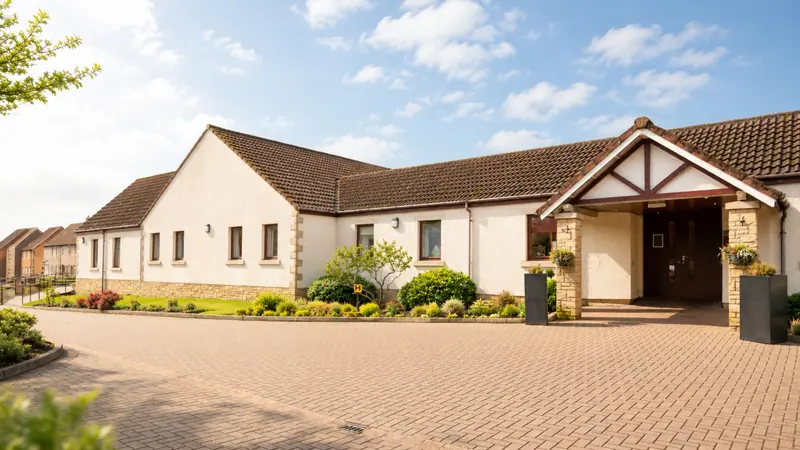
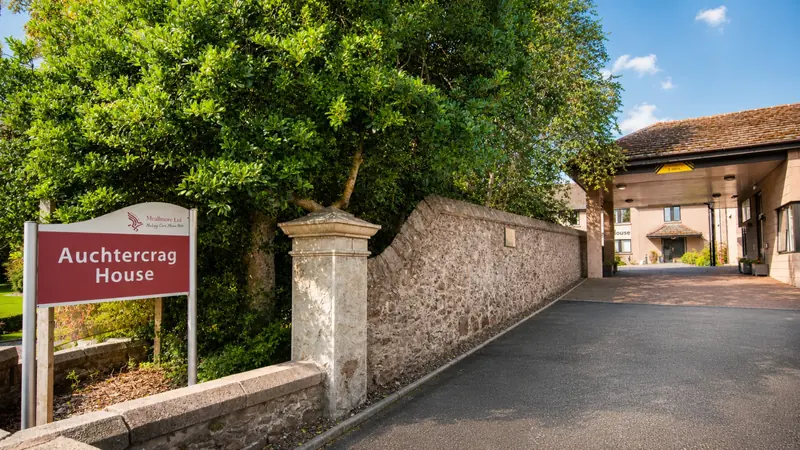
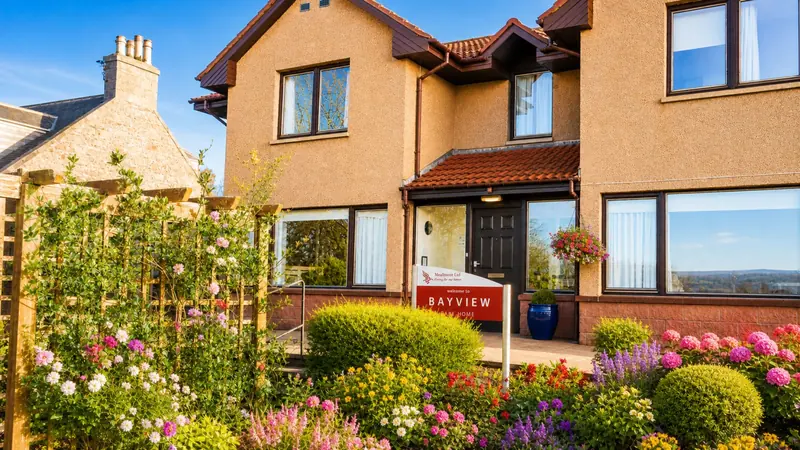
Each Meallmore home has its own character and local relationships across Scotland.

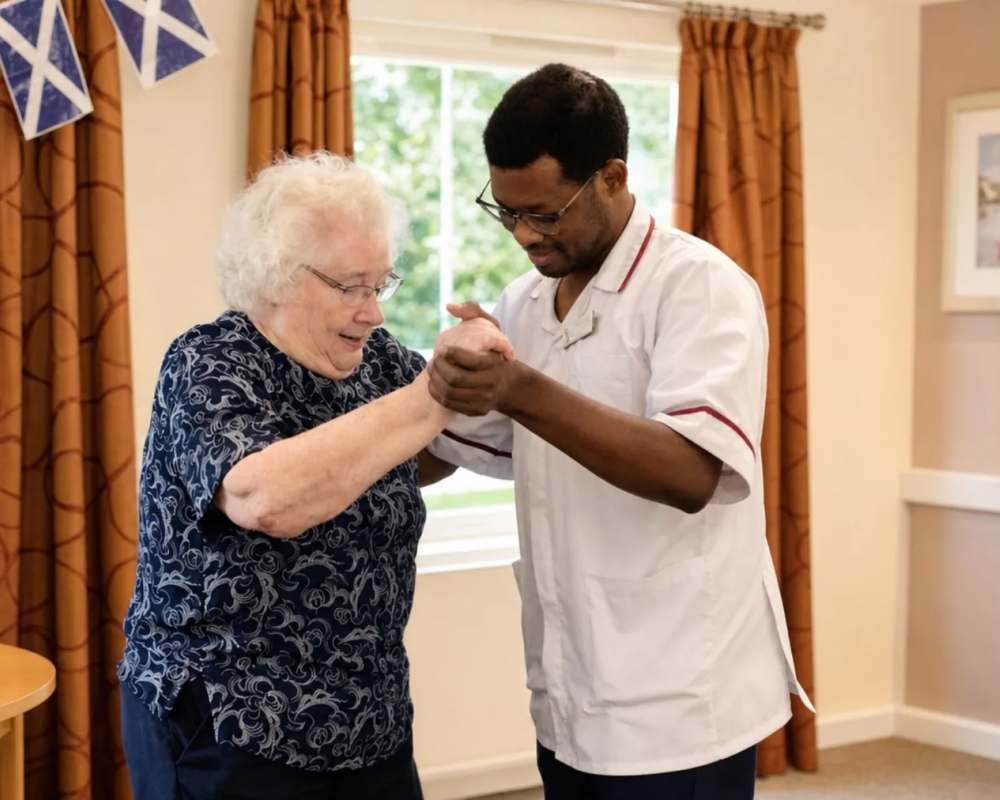
A Meallmore colleague speaking warmly with a resident
Chapter IPerson-centred care
I

A life built around the individual.

Person-centred care begins with getting to know the person, not simply understanding a diagnosis or list of support needs.

Our colleagues take time to learn about each resident's routines, relationships, interests, values, culture, communication preferences and personal history.

This understanding helps everyday care feel familiar and respectful. It also means residents can continue making meaningful choices about how they spend their time, what they enjoy and the support they receive.

Your routines still matter

Moving into a care home should not mean giving up the routines that help someone feel comfortable and themselves. Some residents enjoy an early start. Others prefer a slower morning. One person may like breakfast in the dining room, while another may value a quieter beginning to the day. Wherever possible, our colleagues work around the individual rather than expecting every resident to follow the same timetable.

Your interests come with you

A familiar hobby can provide comfort, confidence and a strong sense of identity. Residents are supported to continue the interests that matter to them, whether that involves music, reading, gardening, baking, art, sport, conversation or simply keeping up with the news. Interests may change over time, but the person remains at the centre of every decision.

Choice in the everyday

Personal choice is often found in the smallest parts of the day. It may be choosing what to wear, deciding where to eat, spending time with friends, selecting an activity or choosing to have a quieter afternoon. Our colleagues provide support and reassurance while protecting each resident's dignity and right to make choices wherever possible.

Care that adapts with you

A resident's needs, preferences and abilities may change over time. Care plans are reviewed so that support can respond to these changes while continuing to reflect the person's identity, relationships and wishes. Families can provide valuable insight and are involved where appropriate and with the resident's agreement.

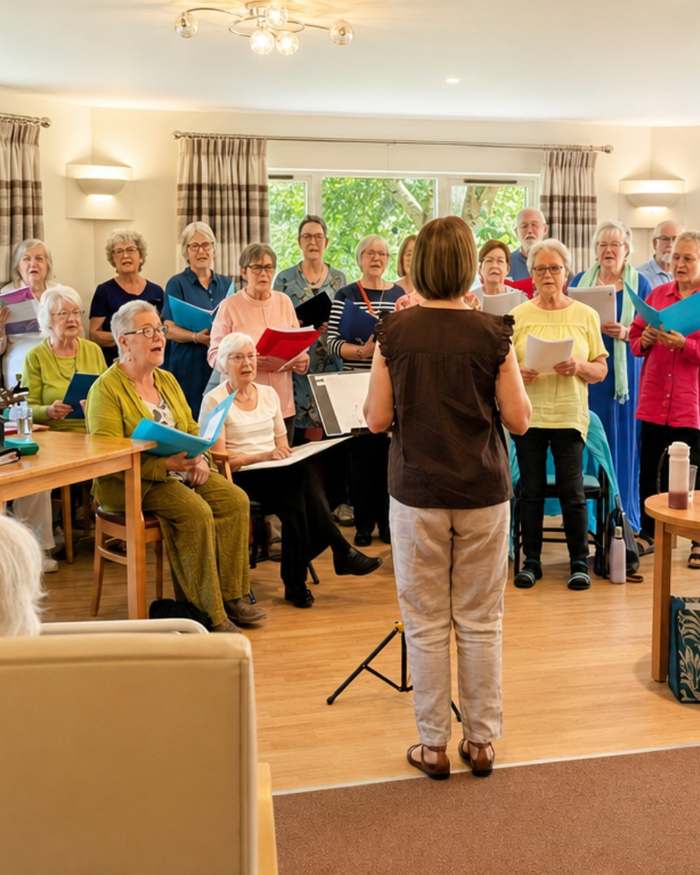
Residents enjoying a creative activity at a Meallmore care home
Chapter IIMeaningful days
II

Meaningful days, your way.

Meaningful activity is an important part of life in a care home, but it should never feel forced or one-size-fits-all.

For some residents, a good day may include music, movement, conversation or a shared activity. For others, it may mean reading, gardening, spending time with family or enjoying a peaceful afternoon.

Our homes create opportunities for residents to remain connected to familiar interests, explore new experiences and choose how involved they would like to be.

Creative interests and familiar hobbies

Creative activity can support enjoyment, confidence, self-expression and connection. Depending on residents' interests, this may include art, crafts, baking, music, flower arranging, writing, photography or other familiar hobbies. Activities should be adapted around the individual's abilities and preferences rather than expecting everyone to complete the same task.

Movement and time outdoors

Gentle movement and access to fresh air can support physical comfort, confidence and everyday wellbeing. This may include seated movement, walking, dancing, gardening or simply spending time in an outdoor space. The type and level of activity should always reflect the resident's preferences, mobility and individual support needs.

Friendship, celebration and shared experiences

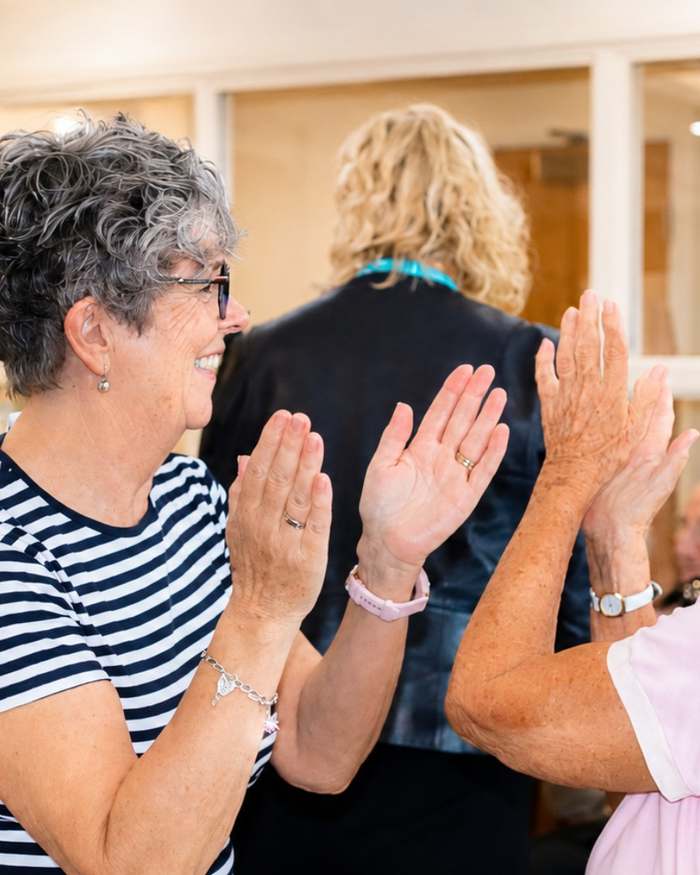
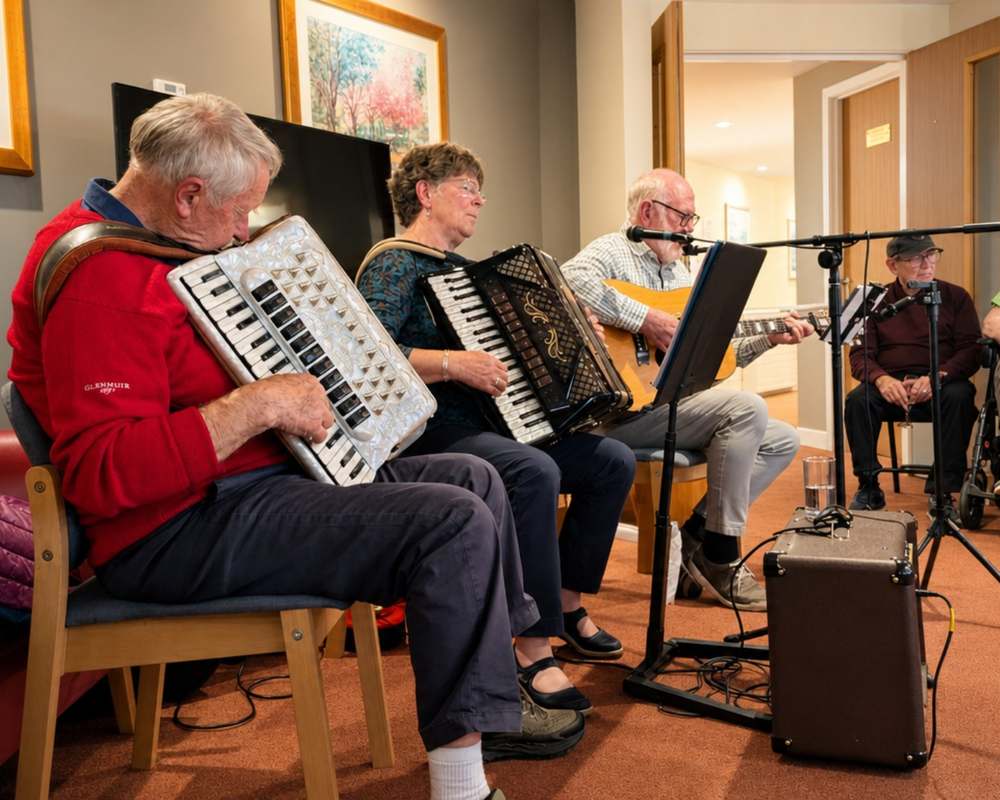
Social activity gives residents opportunities to enjoy conversation, laughter and shared experiences. Celebrations, performances, games, outings and seasonal events can all bring people together, but there should always be space for residents who prefer smaller groups or quieter company. The best social moments are those that feel natural and enjoyable rather than organised simply to fill time.

Dementia-friendly activities

Activities for people living with dementia should be shaped around the person's life story, communication, abilities, sensory needs and emotional wellbeing. Music, reminiscence, familiar objects, gentle movement, sensory experiences and practical tasks can help residents feel connected and reassured. The activity itself is only one part of the experience. The way it is introduced, the environment and the relationship with the colleague providing support all matter.

Quieter and one-to-one moments

Not every meaningful experience needs to happen in a group. A conversation, favourite piece of music, shared newspaper, hand massage, time in the garden or support with a personal hobby can be just as valuable. One-to-one time allows activities and conversation to be shaped closely around the resident, particularly when group settings are not their preference.

Residents should always be free to decide whether they want to take part. Choosing not to join an organised activity is still a valid choice and should never be treated as a lack of engagement.

Behind the days

What do our activities colleagues do?

Activities colleagues help create opportunities for residents to enjoy meaningful, varied and personally relevant days. The activity programme in each home reflects the people who live there.

See life in our homes
  • Getting to know residents' interests and personal histories
  • Planning individual and shared activities
  • Adapting activities around different abilities
  • Supporting residents to continue familiar hobbies
  • Working with families and wider home colleagues
  • Building connections with local groups and communities
  • Organising celebrations, events and appropriate outings
  • Making time for one-to-one activity and conversation
  • Listening to what residents want more or less of
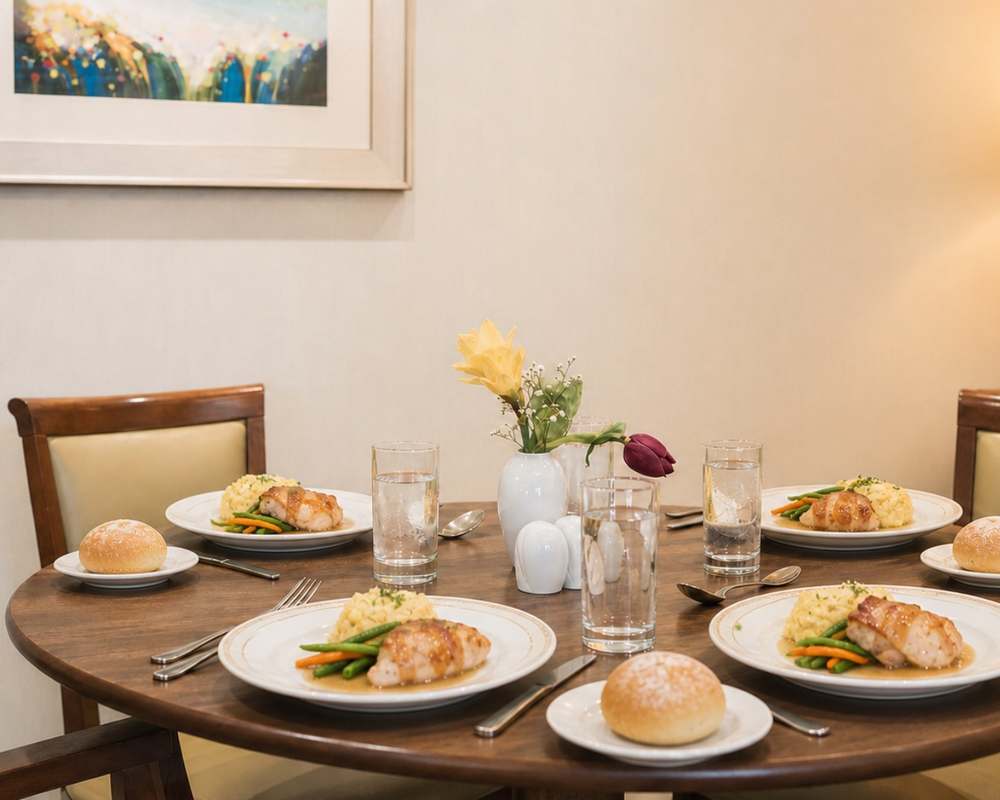
A Meallmore chef preparing a freshly plated meal
Chapter IIIFood and dining
III

Food worth looking forward to.

Food is an important part of daily life.

It provides nourishment, but it can also bring comfort, evoke memories, create routine and give people something to look forward to.

Across Meallmore, our catering colleagues work closely with residents and care teams to understand preferences, dietary needs and the small details that make mealtimes enjoyable.

Choice at every mealtime

Residents should have meaningful choice about what they eat and how they enjoy their meals. Menus offer options, and alternatives should be available when the main choices are not suitable or appealing. Preferences can change, so feedback from residents should continue to shape menus and the wider dining experience.

Freshly prepared and nourishing

Meals are prepared with nutrition, flavour and enjoyment in mind. Catering colleagues consider residents' dietary requirements, appetites, health needs and personal preferences while creating food that looks inviting and feels familiar. Good nutrition is not about creating a clinical experience. It is about supporting health while ensuring food remains enjoyable and recognisable.

Supporting individual dietary needs

Some residents require meals to be adapted because of allergies, cultural preferences, health conditions, swallowing needs or changes in appetite. Where required, meals can be adapted in line with assessed needs while still being presented with care and dignity. Residents and families should be able to discuss dietary requirements directly with the home before and after a move.

Hydration throughout the day

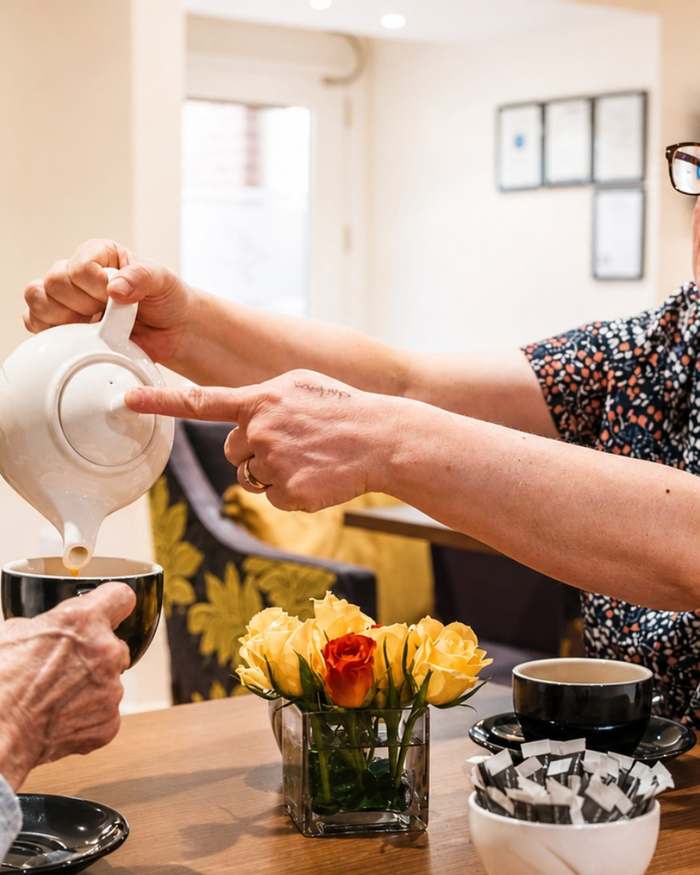
Hydration is supported throughout the day, not only at mealtimes. Residents should have regular access to drinks they enjoy, with appropriate encouragement and assistance where needed. The approach should reflect the individual's preferences, routines and assessed health needs.

Celebrations and shared dining

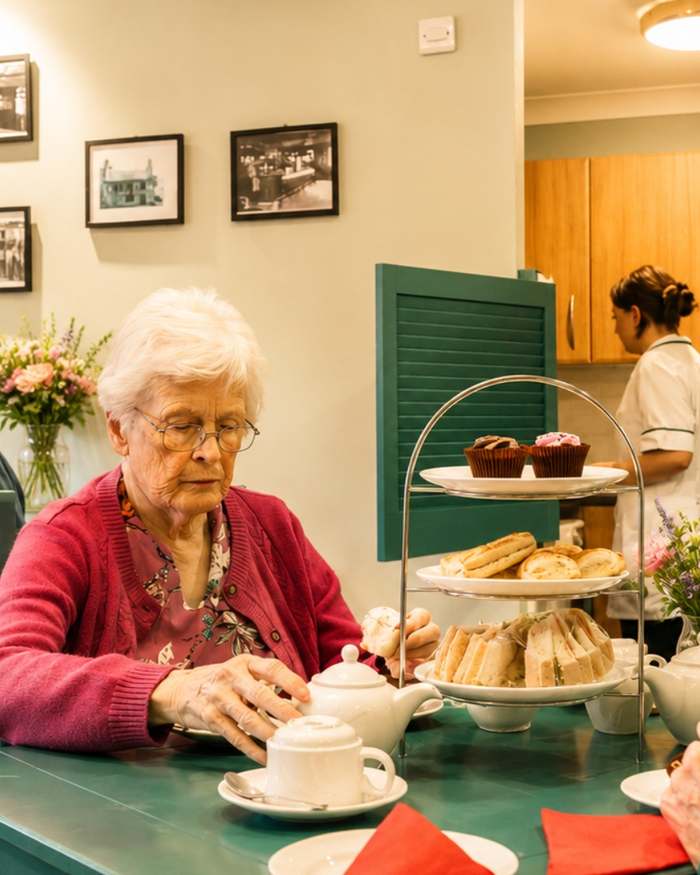
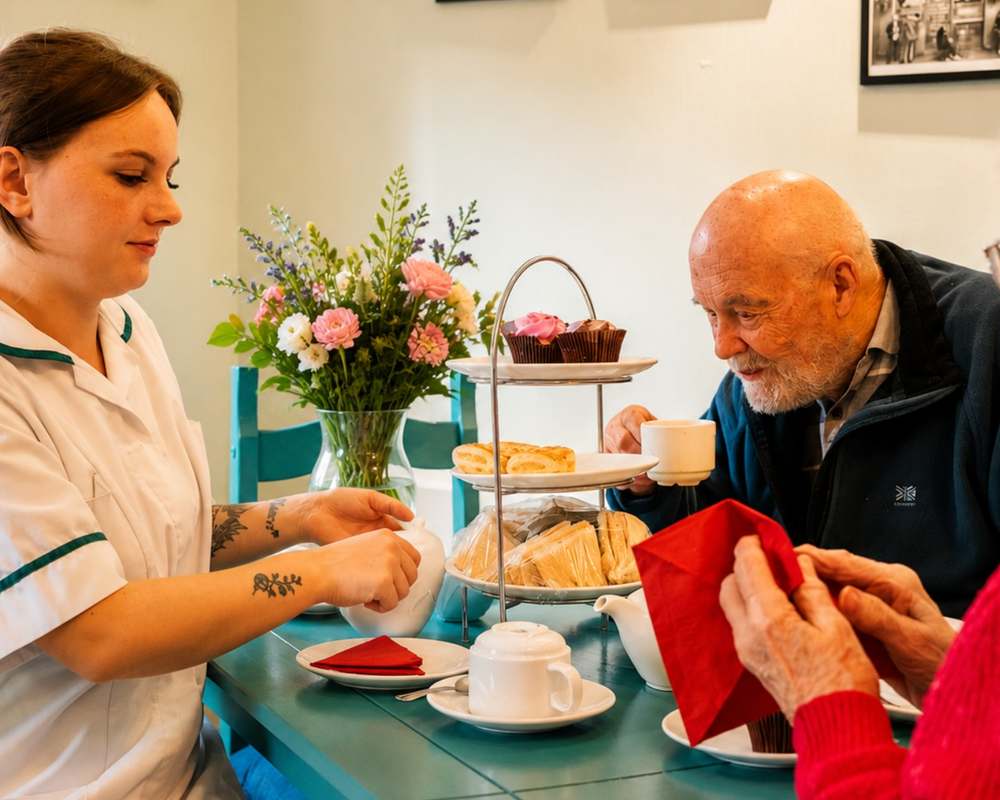
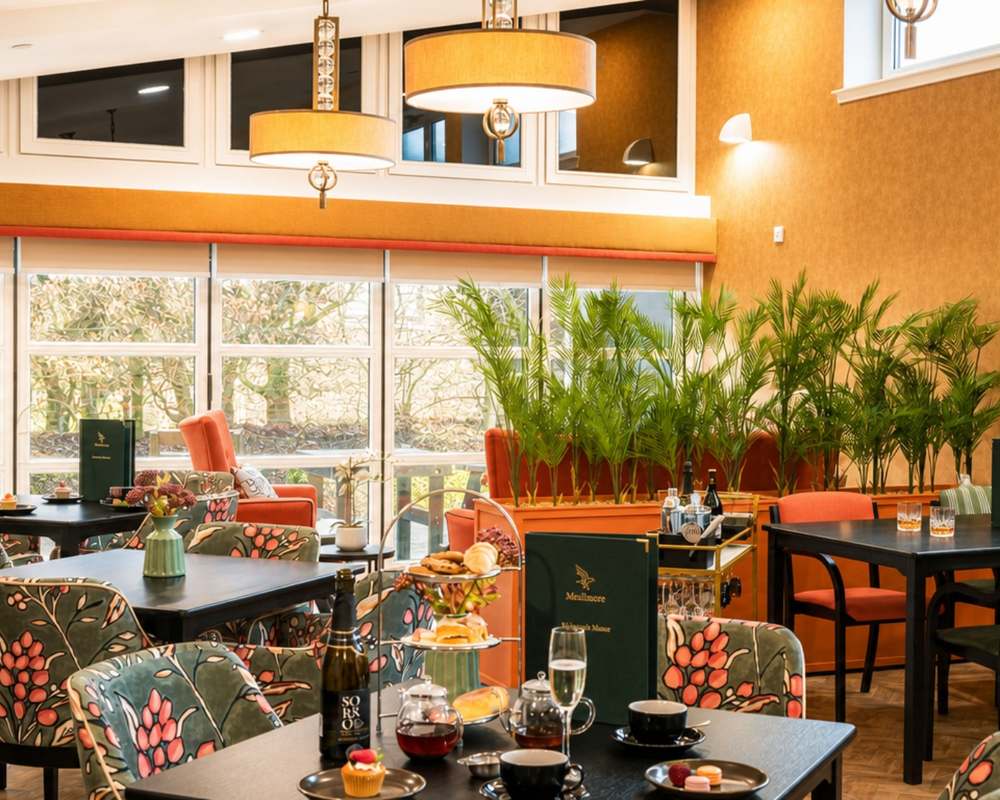
Food often brings people together. Birthdays, seasonal occasions, themed meals, afternoon teas and family events can create opportunities for residents, relatives and colleagues to share something special. Residents who prefer a quieter meal should be supported too. Sociable dining is an option, not an expectation.

A taste of Meallmore

An example day of dining.

Menus vary between homes and change regularly. The rhythm of the day below shows the shape a resident's meals and refreshments might follow.

A day of diningExample menu only
  • BreakfastA choice of hot and continental options, with tea, coffee and freshly poured juices at the table.
  • Mid-morningA selection of drinks with a light snack or piece of home baking, offered around the home.
  • LunchA two-course lunch with meaningful choice, alongside alternatives and adapted options where they are needed.
  • AfternoonAfternoon tea with a rotating selection of home baking, sandwiches and refreshments.
  • Evening mealA lighter evening meal built around residents' preferences and appetite that day.
  • SupperA warm drink and a bite to eat before bed, offered around each resident's routine.
“Food should feel familiar, enjoyable and personal. It is not simply part of the care we provide. It is part of what makes a home feel like home.”
A comfortable lounge in a Meallmore care home
Chapter IVWellbeing
IV

Wellbeing in every sense.

Wellbeing is not one activity, appointment or programme.

It is shaped by whether someone feels comfortable in their surroundings, connected to the people around them and able to make choices about how they live.

At Meallmore, everyday wellbeing includes physical comfort, emotional reassurance, meaningful relationships, sensory needs, personal identity and opportunities for both activity and rest.

Everyday wellbeing

Four sides to feeling well.

Physical wellbeing

Residents are supported to remain as active and comfortable as possible according to their abilities and preferences. This may include gentle movement, access to outdoor space, mobility support or assistance to continue familiar daily routines. The focus is on confidence, comfort and maintaining abilities rather than setting the same goals for everyone.
Emotional wellbeing

Feeling safe, listened to and genuinely known is central to emotional wellbeing. Consistent relationships, familiar routines, one-to-one time and sensitive communication can all help residents feel reassured. Residents should also have space to express difficult feelings without being expected to appear positive all the time.

Cognitive and sensory wellbeing

Music, reminiscence, conversation, familiar objects and sensory experiences can help residents remain engaged and connected. Support should be adapted around the individual, particularly for residents living with dementia or experiencing changes in communication and cognition.

Social and spiritual wellbeing

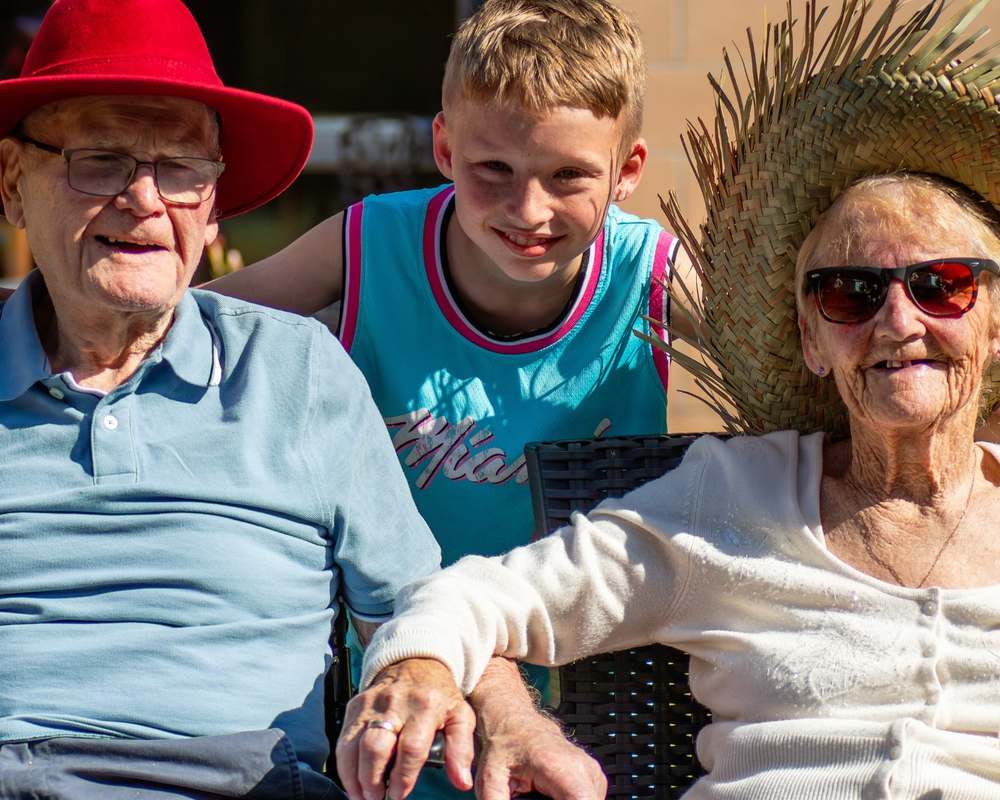
Relationships, community, culture and personal beliefs remain important after someone moves into care. Residents should be supported to maintain the connections, traditions and spiritual practices that matter to them. For some people this involves shared activity and regular visitors. For others, wellbeing is supported through privacy, reflection and quieter companionship.

A welcoming shared lounge at a Meallmore care home
Chapter VHomely spaces
V

Spaces that feel like home.

The physical environment can have a significant effect on how someone feels.

Meallmore homes are designed to balance privacy, comfort, social connection and practical support.

Every home has its own character and facilities, but the aim is always to create welcoming surroundings where residents can feel settled and families feel comfortable visiting.

A bedroom of your own

A private bedroom gives residents somewhere to rest, enjoy quieter time and welcome visitors. Residents are encouraged to personalise their room with suitable photographs, artwork, decorations and familiar belongings. Individual room features differ between homes, so families should review the relevant home page or discuss specific requirements directly with the home.

Welcoming shared spaces

Lounges, dining rooms and other shared areas provide places for conversation, activities, meals and visits. Residents should also have access to quieter spaces where possible, recognising that not everyone wants to spend their day in a busy communal room.

Gardens and outdoor spaces

Many Meallmore homes have gardens, terraces, courtyards or other outdoor areas where residents can enjoy fresh air, changing seasons and time with visitors. Facilities differ by home, and outdoor access should reflect each resident's wishes, mobility and individual support needs.

Facilities that support everyday life

Depending on the individual home, residents may have access to features such as salons, activity rooms, cinemas, cafes, private dining spaces or sensory environments. Not every facility is available in every Meallmore home, so individual home pages are the best place to see what is available where.

A family visiting a resident at a Meallmore care home
Chapter VIFamily and community
VI

Family, friendships and community.

Moving into a care home changes some parts of daily life, but important relationships should remain central.

Families and friends are welcomed as part of home life, and residents should be supported to maintain the connections that matter to them.

Staying involved

Families can continue to play an important role after a resident moves into care. This may include visiting, sharing meals, joining celebrations, contributing to care planning where appropriate or simply spending relaxed time together. The resident's wishes and privacy should always guide family involvement.

Visits that feel natural

Visits should feel like part of everyday life rather than formal appointments wherever circumstances allow. Families should contact the individual home to discuss current visiting arrangements, preferred times and any support the resident may need.

Part of the wider community

Our homes build relationships with local groups, schools, businesses, charities and community organisations where appropriate. These connections can help residents remain part of local life and create opportunities for shared experiences. The nature of these partnerships differs between homes and is led by residents' interests.

Friendships within the home

Living alongside others can create new friendships and companionship, but socialising should never be treated as compulsory. Residents should be supported to enjoy company when they want it and privacy when they do not.

No two days are the same

A day in the life at Meallmore.

Every resident's day looks different. Choose a type of care below to see how a typical day might feel - these are examples, not fixed timetables.

A sociable, flexible day shaped around familiar routines, meaningful activity and personal choice.

  1. 01Morning

    A gentle start

    The day begins at the resident's own pace. Colleagues offer support with washing, dressing and any morning routine. Breakfast is served in the dining room or in-room where preferred.

  2. 02Mid-morning

    Something to enjoy

    A creative activity, gentle exercise class, gardening group or one-to-one conversation. Residents choose what they take part in and for how long.

  3. 03Lunch

    A shared meal

    A cooked lunch with choices from the day's menu. Familiar faces, quiet conversation and time to enjoy the food.

  4. 04Afternoon

    Visitors and quieter time

    A family visit, a walk in the garden, a favourite programme or a rest. The afternoon flexes around the resident.

  5. 05Evening

    Wind down

    A lighter evening meal, a chat over tea, music or an early night depending on preference.

What makes a good day is personal. Our role is to provide care, reassurance and opportunity while allowing residents to remain themselves.

Everyday Meallmore

Real moments from our homes.

The big celebrations and the quieter moments in between.

From birthdays and garden afternoons to local outings, shared meals, creative projects and everyday conversations, see what residents and colleagues have been enjoying across Meallmore homes. These real moments show the variety of life across our homes and the people who make each community unique.

Follow @meallmore on Facebook
Meallmore on FacebookLive feed

Questions families often ask

Life in a care home,
answered.

A few of the things families most often ask us before, during and after moving someone into care. Our team is always happy to talk through anything else.

Life at Meallmore is shaped around the individual. Residents are supported to continue familiar routines, make everyday choices, enjoy meaningful activities, share meals, welcome visitors and spend quieter time when they prefer. Each home has its own character, facilities and community.

Activities differ between homes and are shaped around residents' interests, abilities and preferences. They may include creative activities, music, movement, gardening, games, outings, reminiscence, celebrations and quieter one-to-one experiences.

Yes. Residents are encouraged to continue familiar hobbies and interests wherever possible. Families can help colleagues understand the activities, routines and belongings that are important to the resident.

Activities colleagues get to know residents' interests and personal histories, plan individual and shared opportunities, adapt activities around different abilities and help residents remain connected to their wider community. The role is about meaningful engagement rather than simply filling a timetable.

Activities are adapted around the individual's communication, abilities, life story, sensory needs and emotional wellbeing. Music, reminiscence, familiar objects, movement and practical tasks may be used where they feel appropriate and reassuring.

Yes. Participation is always a matter of personal choice. A quieter day, one-to-one conversation, personal hobby or time spent resting can be just as meaningful as joining a group activity.

Menus vary by home and are created around nutrition, choice and enjoyment. Residents are offered meal choices and alternatives, with dietary requirements and personal preferences taken into account.

Yes. Meals can be adapted around assessed needs, allergies, cultural preferences, health conditions and swallowing requirements. Families should discuss specific dietary needs directly with the individual home.

Families and friends are welcomed as part of home life. Visiting arrangements may differ depending on the home, the resident's preferences and individual circumstances, so families should contact the relevant home for current information.

Yes. Residents are encouraged to bring suitable photographs, artwork, decorations and familiar belongings to help their room feel personal and recognisable.

No. Each home has its own character, accommodation and facilities. Individual home pages provide details about bedrooms, gardens, lounges, salons, activity spaces and other features available at that location.

Use the care-home finder below to search by location or care type. You can then explore individual home pages, make an enquiry and arrange a visit to understand whether the environment feels right.

Explore our homes

Find a home where everyday life feels right.

Every Meallmore home has its own character.

Explore our care homes across Scotland and find out more about the care, accommodation, facilities and everyday life available in each one. Search by location, region or care type to begin finding a home that suits the individual's needs and preferences.

Loading homes…

Start the conversation

Could a Meallmore home feel right for you?

The best way to understand life in a home is to experience it.

Explore our homes, speak with the team and arrange a visit when you are ready. We will take time to understand the care being considered, the preferred location and the things that matter most to the person moving into care.

Find a care home
Meallmore

Creating Great Places to Live & Work