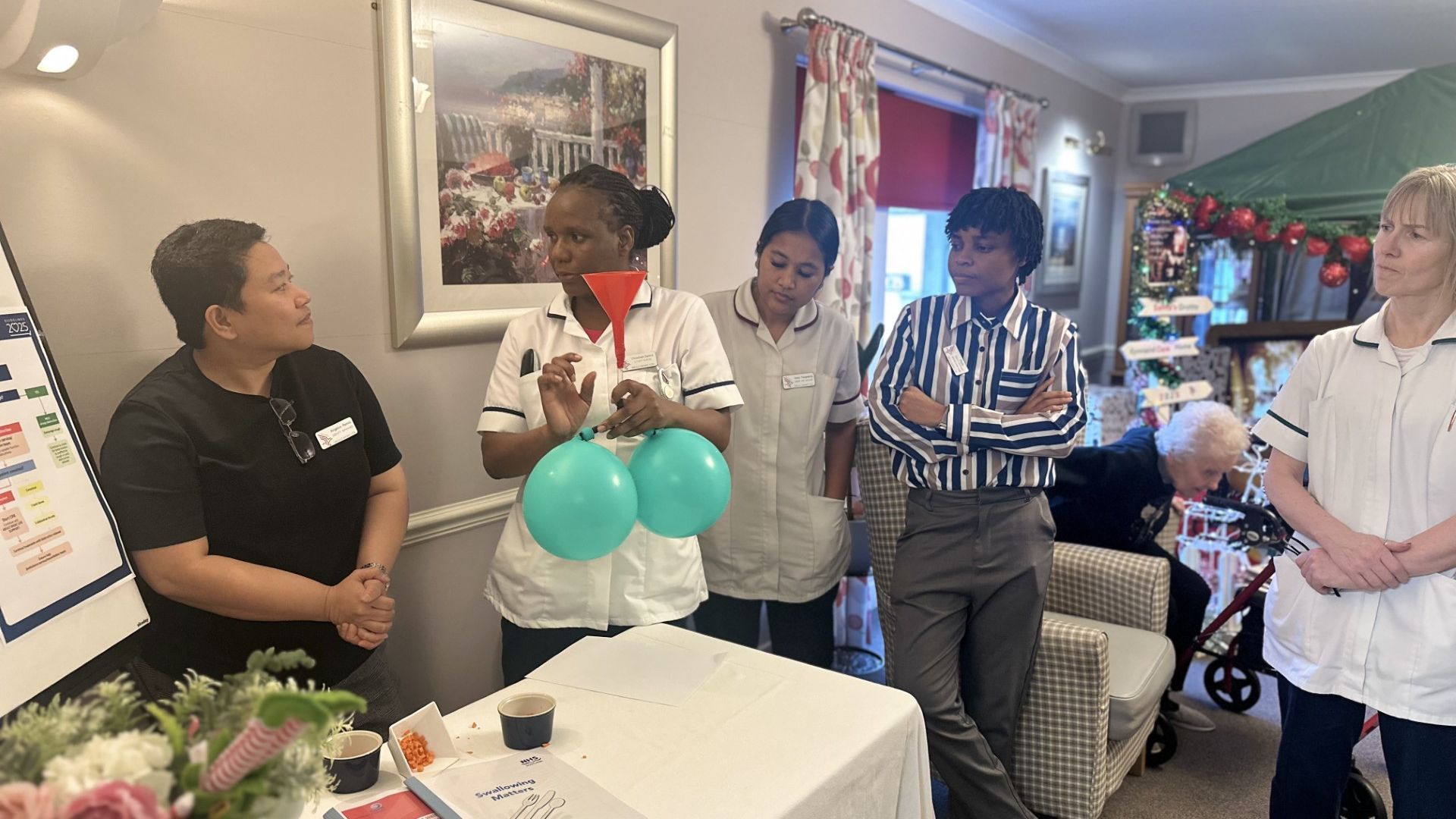
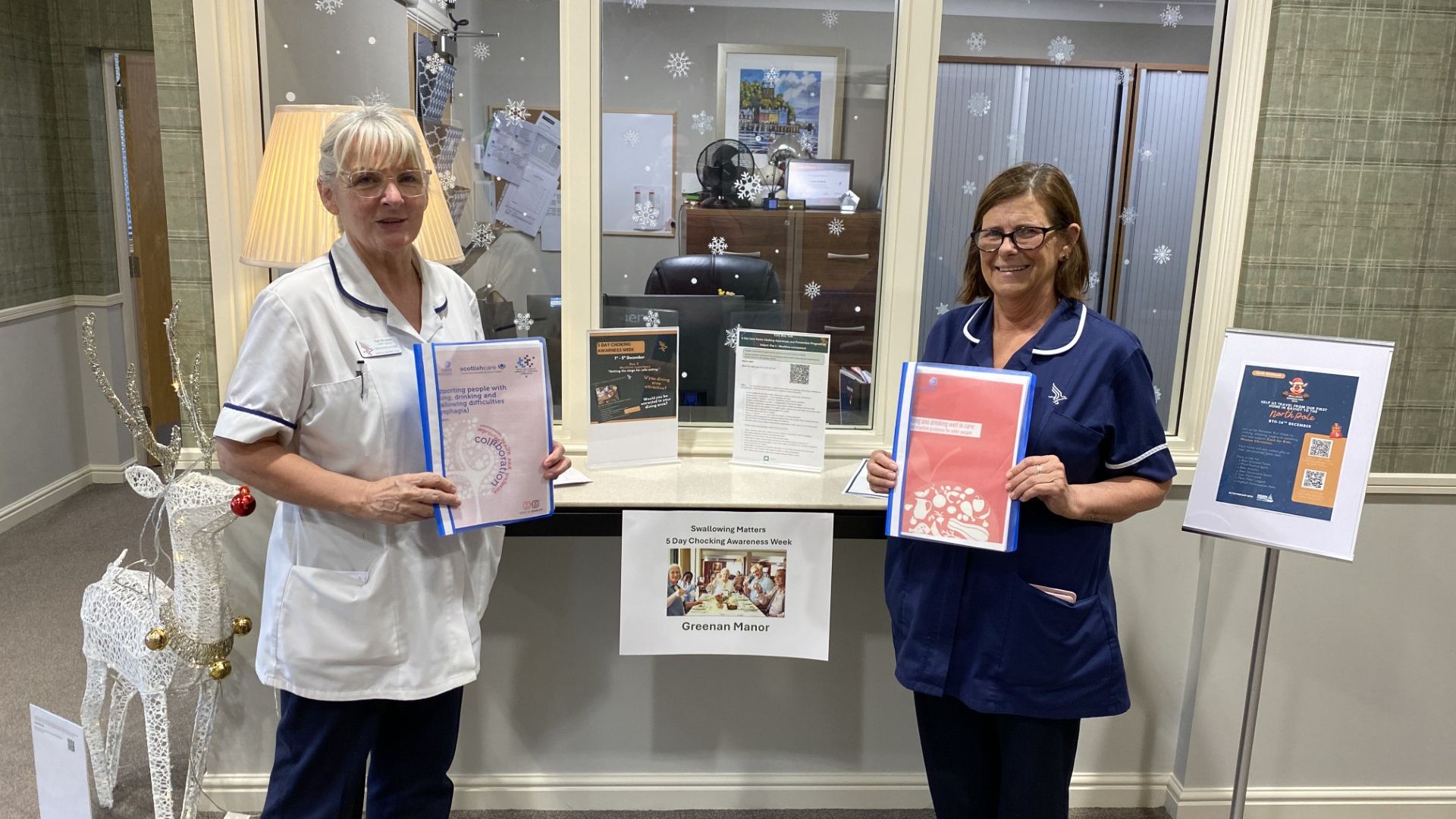
Choking is one of the most serious risks faced by older adults - especially those living with dementia, neurological conditions or swallowing difficulties (dysphagia). At Meallmore, ensuring safety is at the heart of everything we do, which is why we dedicated a full 5-Day Choking Awareness Week across all 27 of our homes in Scotland.
The goal was simple but vital: To equip every colleague with the confidence, knowledge and skills to prevent choking, respond effectively in emergencies and ensure every resident receives safe, dignified and appropriate nutrition.
Across the week, our teams revisited essential best-practice guidance, hands-on techniques, real-life scenarios and IDDSI-aligned food preparation standards. This initiative wasn’t just a training programme - it was a comprehensive, organisation-wide commitment to strengthening safety and improving clinical outcomes for the people we support.
Why Choking Prevention Matters in Care Homes
Choking remains one of the leading avoidable causes of harm in adult care settings. Research in the UK shows:
- Older adults are several times more likely to choke due to age-related muscle weakness, swallowing difficulties, and cognitive impairment. Studies indicate that older adults living in care homes are at a heightened risk compared to their counterparts living independently. For instance, older adults in care homes might experience a choking risk that is three times higher than those in the general community due to the prevalence of factors such as dysphagia, reduced mobility, and higher rates of neurological conditions.
- Dysphagia affects a high percentage of residents in care homes, especially those with dementia, Parkinson’s disease, stroke history or frailty.
- Many choking incidents are preventable through appropriate food texture, supervision and early identification of risk.
Choking can occur in seconds. These moments require calm, skilled intervention, but more importantly, they require prevention long before a meal reaches the table. By actively involving families and residents, we can create a shared responsibility, fostering an environment where everyone is aware and vigilant. Encouraging open communication and feedback plays a vital role in our proactive culture of safety.
This is where Meallmore’s approach stands apart.
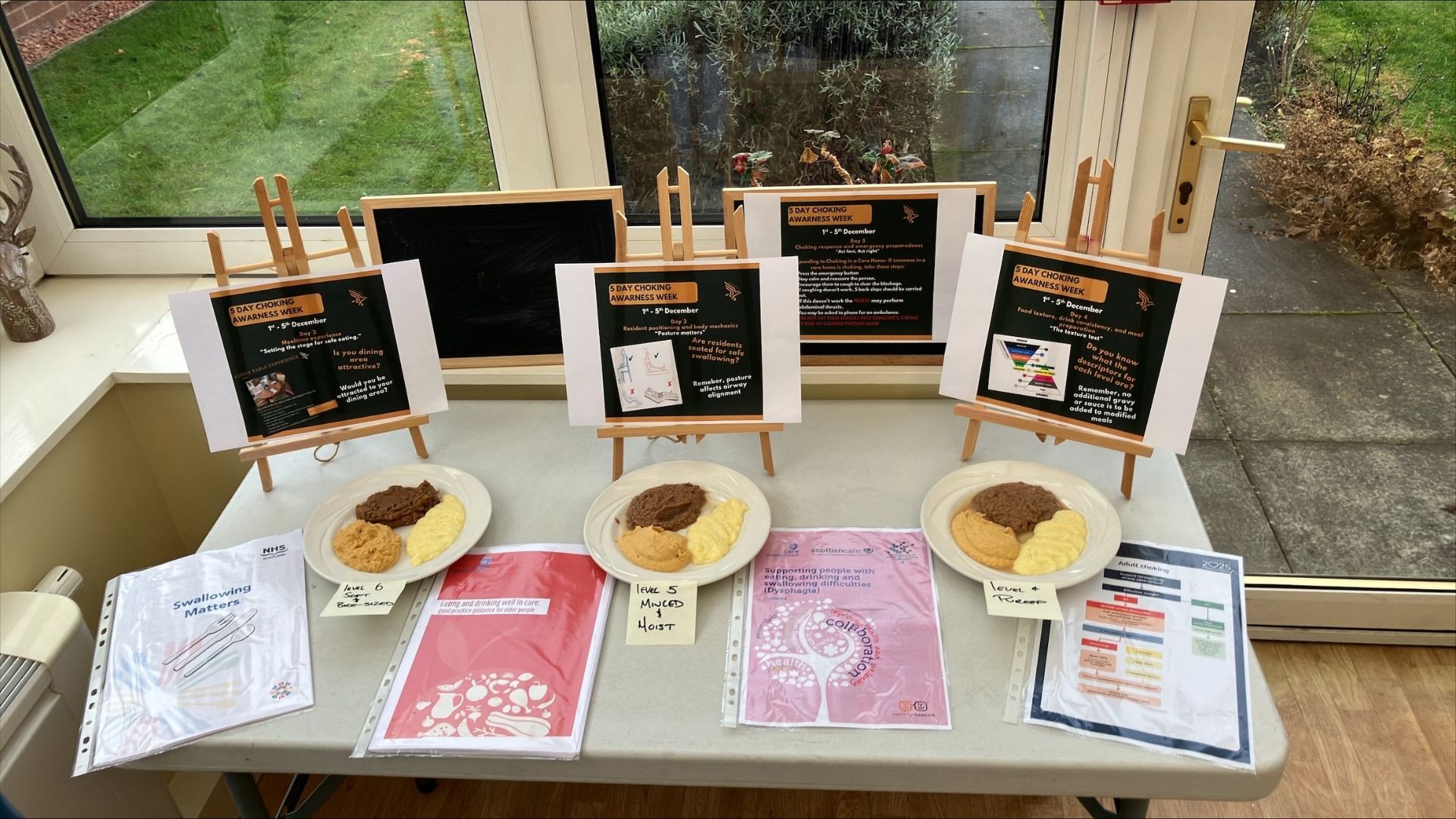
A Week Dedicated to Learning, Confidence and Clinical Safety
Our Choking Awareness Week brought together care, nursing, hospitality and kitchen teams across Scotland to deepen understanding and improve consistency.
The key aims were:
- Strengthen clinical knowledge
Understanding dysphagia, high-risk conditions, early warning signs and risk factors. - Improve confidence during emergencies.
Ensuring colleagues can calmly and effectively respond using evidence-based techniques. - Enhance safe food and drink preparation.
Reinforcing IDDSI standards so every meal and drink is safe, appropriate and enjoyable. - Integrate person-centred care into nutrition.
Balancing safety, dignity and resident choice. - Reduce choking incidents through prevention-first practice.
Improving observation, reporting, texture modification and environmental awareness.
Understanding Dysphagia: A Hidden but Significant Risk
Dysphagia - difficulty swallowing - is present in a significant proportion of care home residents. Studies suggest:
- Up to 75% of individuals in care settings may experience dysphagia at some level.
- Dysphagia significantly increases the risk of choking, malnutrition, dehydration and aspiration pneumonia.
- Early identification and correct texture modification dramatically improve outcomes.
At Meallmore, dysphagia awareness is integrated into daily care practice. Our teams observe signs such as:
- Coughing while eating or drinking
- Changes in voice quality
- Taking longer to finish meals
- Pocketing food
- Recurrent chest infections
- Weight loss
Understanding these signals helps us intervene early and adapt care accordingly.
The Role of IDDSI: Why Standardised Food Texture Saves Lives
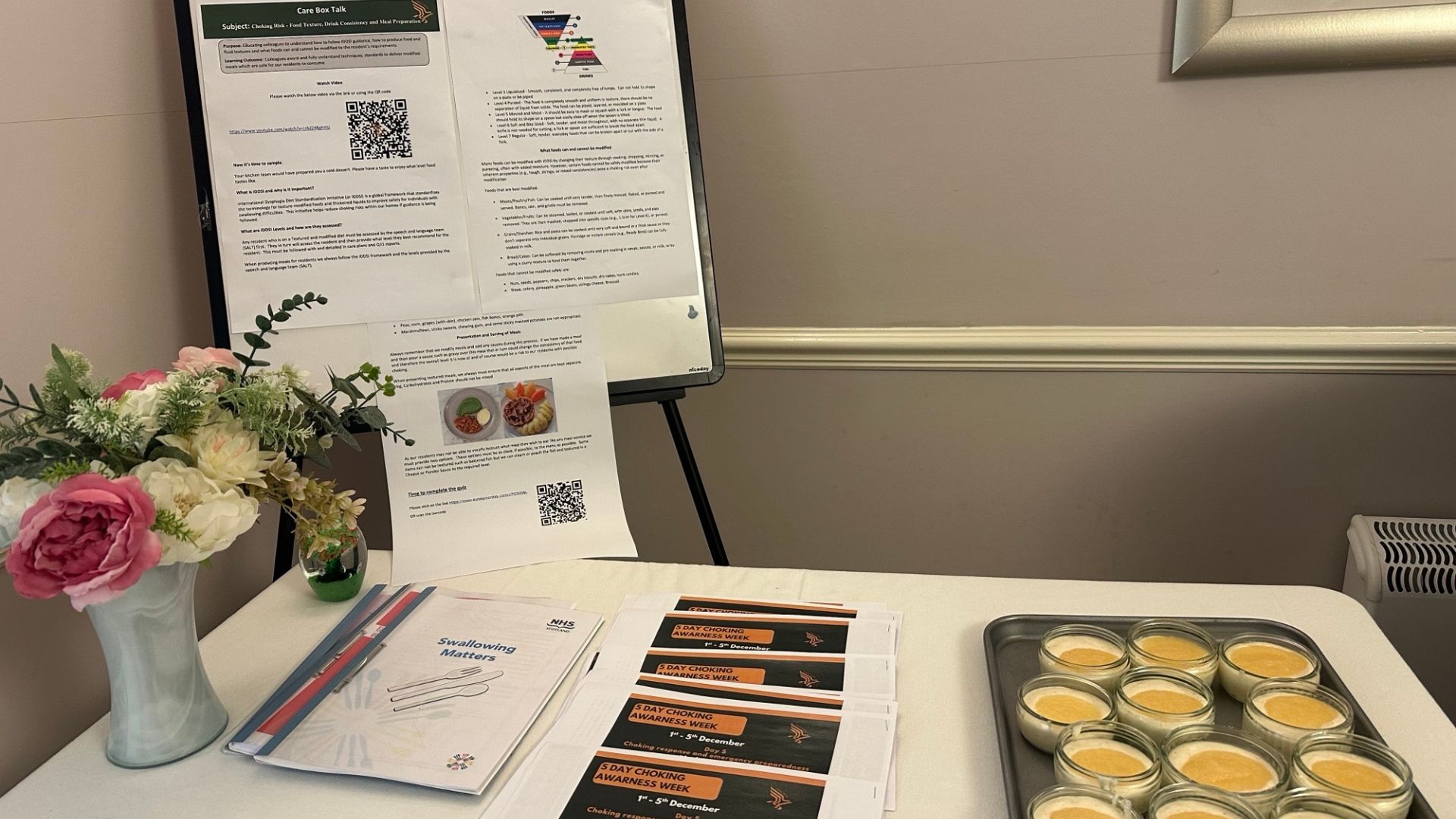
The International Dysphagia Diet Standardisation Initiative (IDDSI) provides a global framework for texture-modified food and thickened drinks. Meallmore follows IDDSI standards across all homes because they:
- Create consistent, measurable safety benchmarks.
- Ensure every colleague prepares meals to the same standard.
- Reduce risk of errors in texture and fluid consistency.
- Promote dignity by giving residents food they can safely enjoy.
- Improve clinical outcomes by preventing aspiration, malnutrition and choking.
Our kitchens regularly test food using IDDSI-approved methods, such as fork pressure tests, flow tests, and spoon tilt tests, to confirm accuracy.
Choking Awareness Week offered hands-on demonstrations, refreshers, and troubleshooting sessions - empowering culinary teams to produce meals that meet both clinical needs and high hospitality standards.
Nutrition and Safety: More Than Texture Alone
Nutrition plays a fundamental role in health, recovery and quality of life. For individuals at risk of choking, the challenge is balancing:
- Safety
- Palatability
- Independence
- Enjoyment
Modified diets must be:
- Visually appealing
- Nutritious and varied
- Culturally familiar and comforting
- Adapted to each resident’s preferences
Meallmore’s chefs, through the Academy of Care Kitchen Excellence, are trained to create texture-modified dishes that look like the meals residents love - not a compromise or downgrade, but a dignified, appetising alternative.
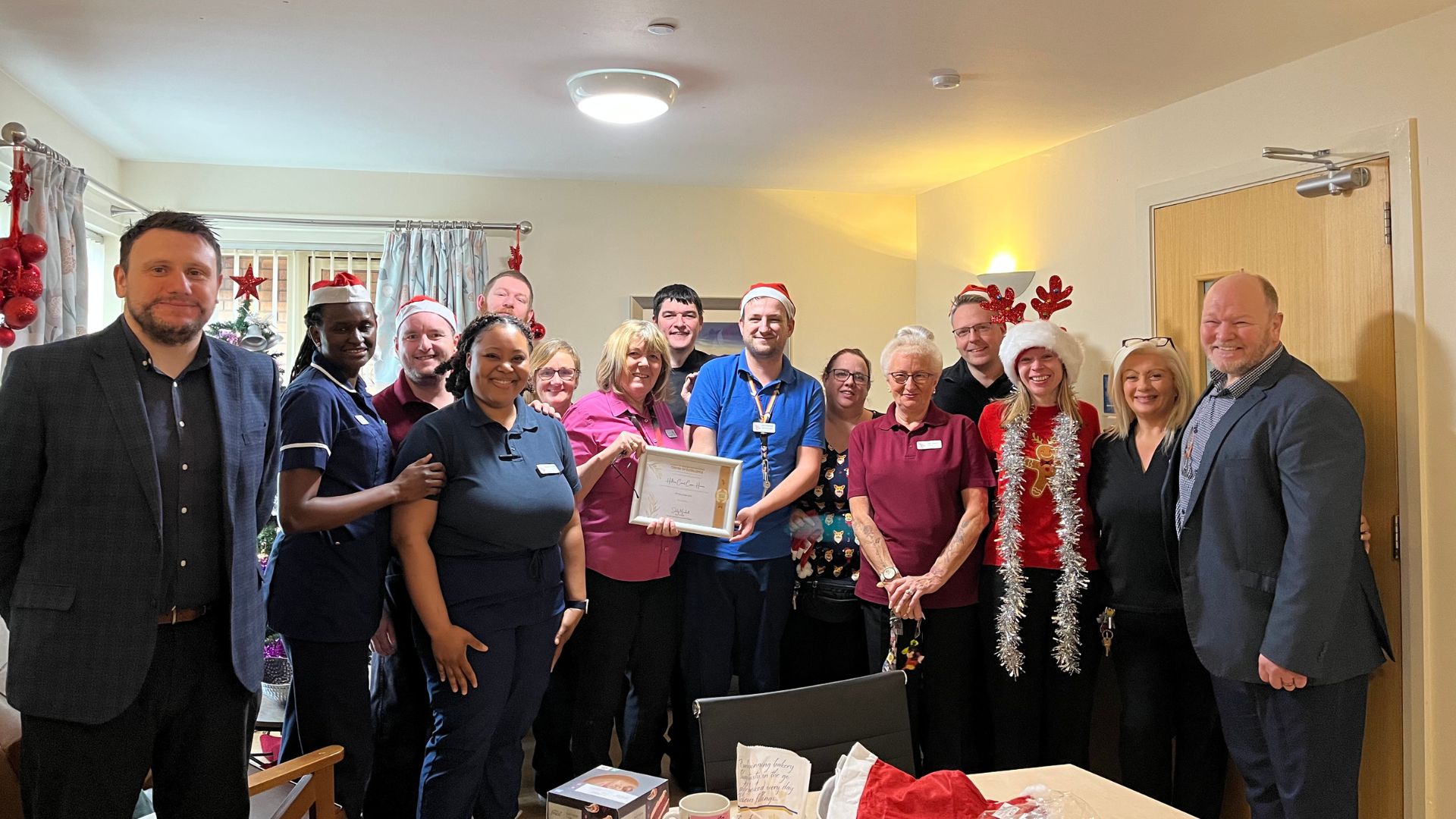
This award-winning programme was recently recognised at the Scottish Care Home Awards, reinforcing its impact on food quality, safety and resident wellbeing.
The Health Impact of Good Nutrition & Safe Eating Practices
Proper texture modification and skilled dysphagia management have significant clinical benefits:
✔ Reduced choking incidents
Accurate IDDSI classification dramatically reduces error rates.
✔ Lower incidence of aspiration and chest infections
Safer swallowing improves respiratory outcomes.
✔ Better hydration and nutrition
Meals become easier to eat and more enjoyable, preventing weight loss and malnutrition.
✔ More independence
Residents often regain confidence in eating.
✔ Improved quality of life
Safe dining restores dignity, social enjoyment and routine.
When nutrition is done well, it’s not simply about safety - it’s about restoring identity, pleasure, and the comfort of a shared meal.
Empowering Colleagues: Training That Protects Lives
During Choking Awareness Week, colleagues received training across several core areas:
1. Understanding choking risk
Team members evaluated risk factors related to:
- Dementia
- Frailty
- Neurological conditions
- Medication effects
- Postural issues
2. Prevention strategies
We reinforced:
- Safe seating and posture
- Correct supervision
- Pace of eating
- Mealtime environment
- Identifying unsafe foods
3. Emergency response
Colleagues practised:
- Recognising partial vs full airway obstruction
- Encouraging effective coughing
- Back blows
- Abdominal thrusts (where appropriate)
- Calling for emergency support
Confidence saves lives. Skills prevent emergencies altogether.
The Power of Interdisciplinary Teamwork
Safe eating is a multi-disciplinary effort.
At Meallmore, choking prevention involves:
✔ Nurses
Assessing risk, referring to SLTs, monitoring changes and leading clinical plans.
✔ Carers
Observing signs during meals, reporting concerns, and providing safe support.
✔ Chefs & kitchen teams
Preparing IDDSI-appropriate meals, testing textures and working closely with care teams.
✔ Hospitality & dining staff
Ensuring correct serving methods, timing and pacing.
✔ Speech & Language Therapists (SLT)
Providing expert assessment and swallow guidance.
✔ Families
Sharing dietary history, preferences and changes.
Communication is central. The Choking Awareness Week strengthened collaboration, clarity and confidence across all homes.
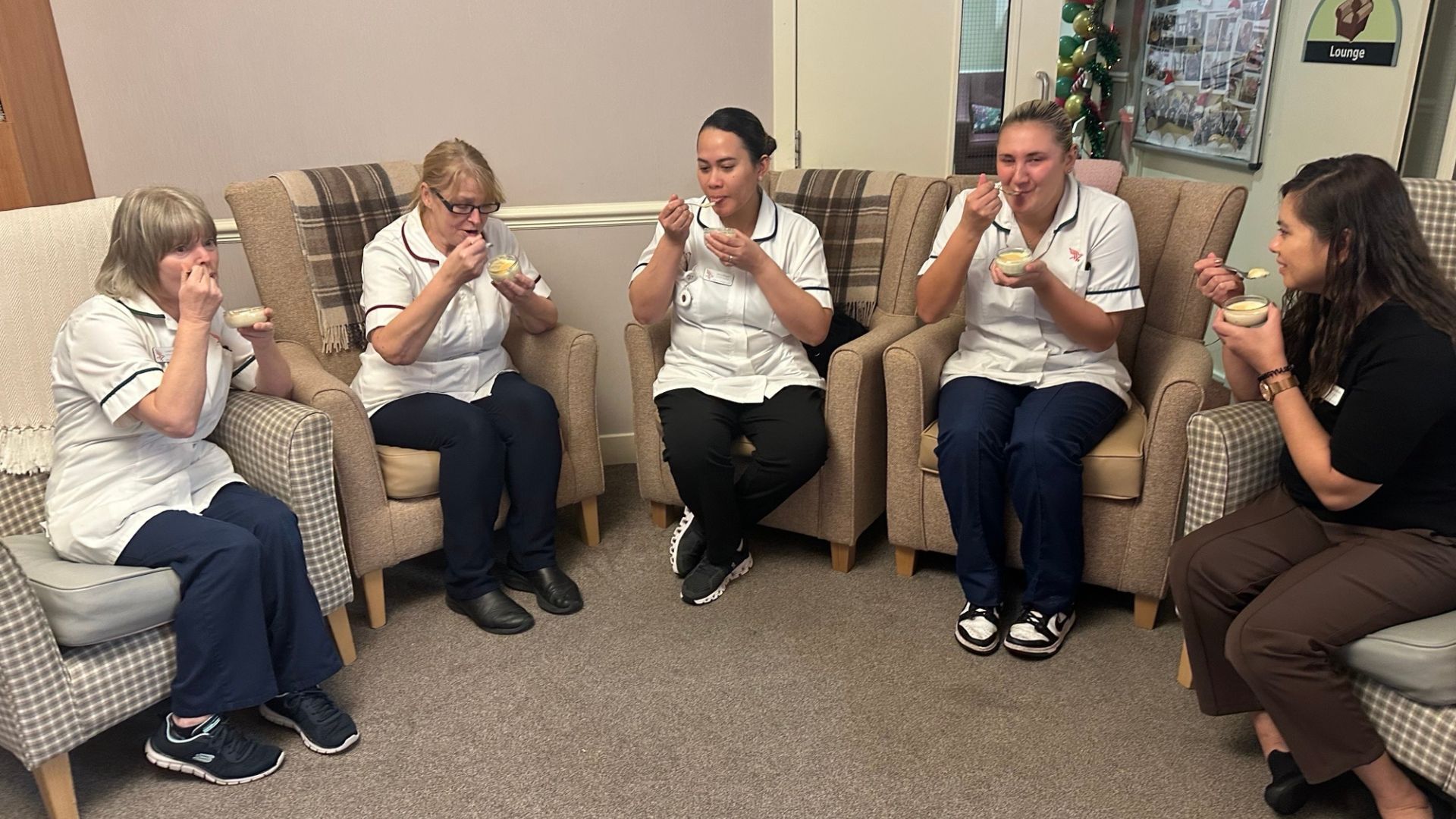
Our Award-Winning Academy of Care Kitchen Excellence
A major component of our choking-prevention strategy is our in-house culinary development programme, designed to elevate:
- Food safety
- Nutritional quality
- Dining experience
- Chef training
- Career progression
The academy trains colleagues in:
- IDDSI safe food preparation
- Enriched meals for residents at risk of weight loss
- Advanced culinary techniques for texture-modified diets
- Presentation and plating for dignity
- Clinical collaboration and communication
The programme was celebrated with a Training, Learning and Staff Development Award, showcasing Meallmore’s leadership in nutrition and food safety.
This training ensures kitchen teams have the same clinical awareness as care teams, closing the gap between hospitality and health care.
Clinical Governance: How We Maintain Safety Every Day
Safety is not a once-a-year event-it is part of our daily practice.
Meallmore strengthens clinical governance through:
- Regular competency assessments
- IDDSI audit checklists
- Multidisciplinary reviews
- Incident analysis and learning
- Nutrition and hydration monitoring
- Individual mealtime risk assessments
- Clear signage and documentation
- Strong communication with residents and families
Our 5-Day Choking Awareness Week reinforced these structures, ensuring consistency and continued improvement.
Stories From the Week: Confidence, Learning and Compassion
The feedback across our homes reflected three themes:
“I feel more confident now.”
Colleagues shared how the training helped them feel calmer and more prepared.
“I never realised how many small actions prevent choking.”
Understanding pace, posture and environment opened new perspectives.
“The IDDSI refresh really helped our kitchen team.”
Clarifying processes strengthened teamwork between care and hospitality.
These insights highlight why ongoing development is essential in care.
Why This Matters to Families
Families trust us with the people they love. Effective choking prevention provides:
- Reassurance: Their loved one is safe during one of the most vulnerable parts of the day.
- Confidence: Our teams are trained, alert and skilled.
- Quality of life: Mealtimes remain enjoyable, social and dignified.
- Clinical excellence: Best-practice care aligned with national standards.
Safety is not only a clinical outcome-it is peace of mind.
Our Commitment Going Forward
Choking Awareness Week is not a one-off event. It is part of a wider approach to safety and excellence. Meallmore will continue to:
- Invest in clinical training.
- Expand the Academy of Care Kitchen Excellence.
- Strengthen interdisciplinary teamwork.
- Embed IDDSI across all homes.
- Share learning with families and communities.
- Innovate in nutrition, dining and swallow care.
- Prioritise resident dignity and wellbeing.
Every meal. Every drink. Every day. Safety and dignity come first.
Conclusion: Protecting Lives Through Knowledge, Compassion and Excellence
Choking prevention is not just a clinical necessity-it is a human one. It reflects our responsibility to safeguard the people who trust us with their lives.
Meallmore’s 5-Day Choking Awareness Week strengthened:
- Skill
- Confidence
- Collaboration
- Safety
- Nutritional quality
- Resident wellbeing
And most importantly, it strengthened lives.
By combining evidence-based practice, award-winning training, compassionate care and highly skilled teams, Meallmore continues to lead the way in safe, person-centred, clinically excellent care across Scotland.