Dementia care in Glasgow
Four homes across the city and its suburbs, each registered for dementia care alongside nursing and residential support.
In brief
Glasgow families usually have a choice to make about geography as well as care: somewhere close enough for a daughter in the West End to visit after work, or somewhere quieter out towards Bearsden, Newton Mearns or Clarkston where a partner still drives.
What should not vary is the standard of dementia support. Every one of our Glasgow homes is registered for dementia care, with teams trained in dementia communication, familiar daily routines, safe internal walking routes and gardens residents can use rather than only look at.
Because each home also provides nursing care, someone whose health changes can usually stay where they have settled instead of moving again.
Where this care is provided
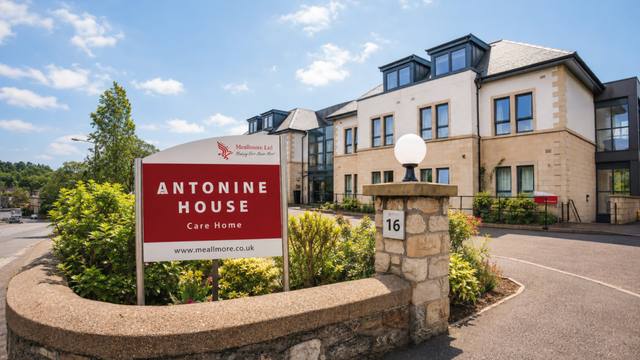
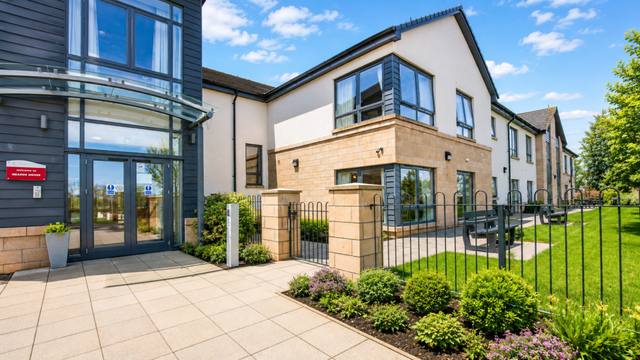
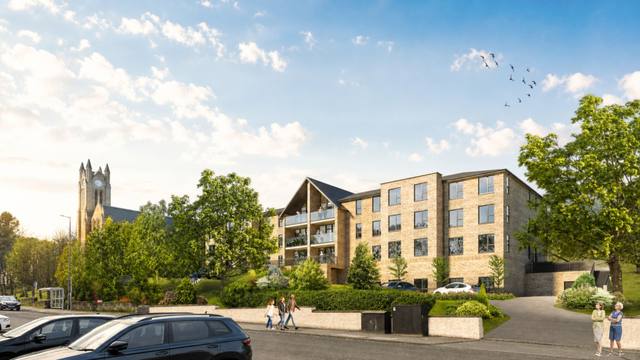
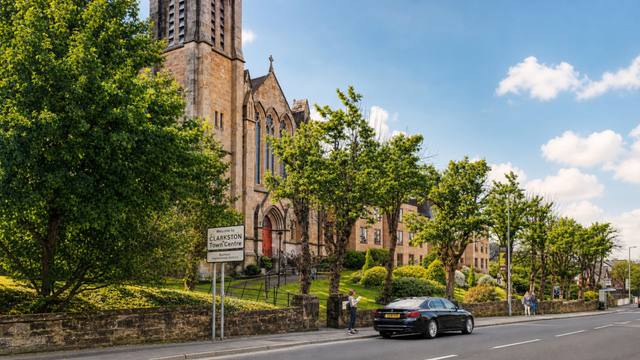
Looking more widely? See all Meallmore homes in Glasgow.
The detail
Care plans are built with the family and cover the personal detail that makes dementia care work: life history, the names and faces that matter, preferred routines, what causes distress and what settles it.
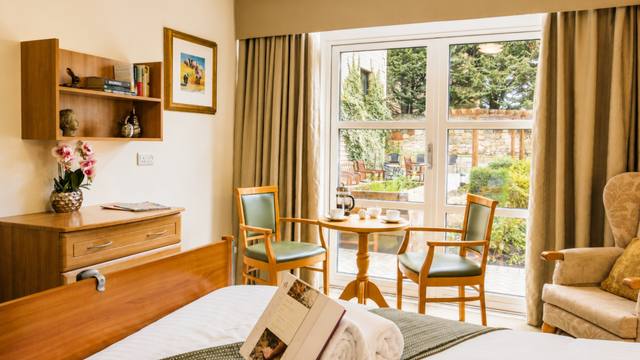
Days are structured but not rigid. Residents keep their own rhythm where they can, with music, baking, gardening, reminiscence and visits from family without a booking system. Rooms are personalised with familiar furniture and photographs, which genuinely helps orientation.
Registered nurses are on site, so pain, infection, dehydration and medication side effects - all common causes of sudden decline in dementia - are picked up in the home rather than in A&E.
Next steps
Start with a visit to two or three homes if you can. Ask about night staffing, how the home supports people who walk with purpose, and how they involve families in decisions.
Depending on where the person lives, the assessment will be carried out by Glasgow City, East Dunbartonshire or East Renfrewshire social work. A financial assessment follows if council support is being sought; placements can also be arranged privately.
Availability differs by home and week. Tell us the areas that work for you and we will tell you where there is realistic capacity.
Areas we cover
Council areas: Glasgow City Council, East Dunbartonshire Council, East Renfrewshire Council.
Common questions
Families come to us from the West End, the city centre, the south side, Bearsden, Milngavie, Newton Mearns, Giffnock, Clarkston, Eaglesham and the surrounding villages. See the Glasgow care homes page for locations.
Yes - and each also provides nursing and residential care, which means fewer moves if needs change over time.
Fees vary by home, room and level of care. Free personal and nursing care contributions apply in Scotland, and the council may fund more depending on the financial assessment. Our care home costs guide sets out the current thresholds and rates.
Often yes, through a respite or short-stay booking. It gives the person moving a chance to get used to the place and gives you a much better sense of the team than any tour can.
Then it is a good time to look rather than a bad one. Deciding in advance, while everyone can take part in the conversation, is far easier than deciding in a crisis. Our guide on when to move to a dementia care home may help.
Before you decide
Everything we have written on dementia sits together in our Dementia Knowledge Hub.
Important - please read
The information on this page is general guidance about care in Glasgow. It is not legal, financial or medical advice, and Meallmore cannot accept liability for decisions made on the basis of it.
None of this is a reason to put off asking for help. If you would like to talk it through with a team who do this every day, we are very happy to hear from you, and there is no obligation either way.

Creating Great Places to Live & Work